6 short lessons that bring order to screens: clear rules without power struggles, a calm decision about the first phone, protection from online dangers, and a personal example your children really learn from.
The lessons are spoken in Hebrew, with full English subtitles and English drawings.
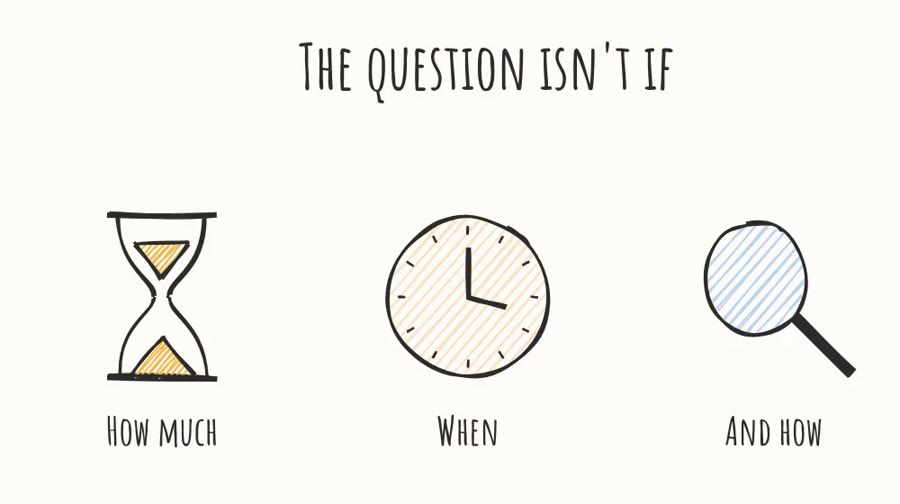
Screens aren't the enemy. They're part of our children's world, with learning, creativity and connection with friends. The question isn't whether, but how much, when and how, and you can learn that.
Apps and games are built to give the brain quick rewards, and the manager in a child's brain, the part in charge of stopping and self-control, is still under construction. That's why switching off a screen really hurts, and it isn't just cheekiness. The way forward isn't a war on screens, but a few fixed rules set in advance, a transition with a warning, consistency, and our own personal example. And all of it rests on open conversation, so your child comes to you when something happens online.
The question isn't whether, but how much, when and how.
Every lesson ends with one tool you can try that same evening, and a short task for the week.

A clinical social worker and college lecturer in child development. For more than fifteen years he has led a center for attention, concentration and behavior difficulties in children, with parents coming from Israel and abroad. In this course he brings what he teaches parents in his clinic, in short lessons you can watch in the evening, after the kids are asleep.
The payment link will be connected soon.
Full refund within 14 days, no questions asked. Details
Payment is made on the payment provider's secure page. A receipt is sent to your email automatically.
Right after payment you go to a page with all six lessons. Watch on your phone or computer, as many times as you like.
For parents of children aged 4 to 14. The principles are the same, and the lessons cover different ages: from screen rules for little ones, through the decision about a first phone, to social networks and teenagers.
There's no single right age. Many professionals recommend delaying the smartphone as long as possible, and social networks even longer. In the third lesson I explain how to separate being reachable by parents from having a smartphone, and how to start gradually with a written agreement.
No. In the fifth lesson I explain how to cut down gradually instead of disconnecting all at once, how to fill the gap, and how to build a plan together with your child. I also explain there when it's worth turning to a professional.
Send me an email: [email protected]