6 short lessons that teach you to set clear limits calmly, hold them consistently, and keep a warm relationship with your child through it all.
The lessons are spoken in Hebrew, with full English subtitles and English drawings.
Many parents are torn between two extremes: they don't want to be harsh, and they feel their child is walking all over them. There's a third way, warm and firm at the same time, and you can learn it.
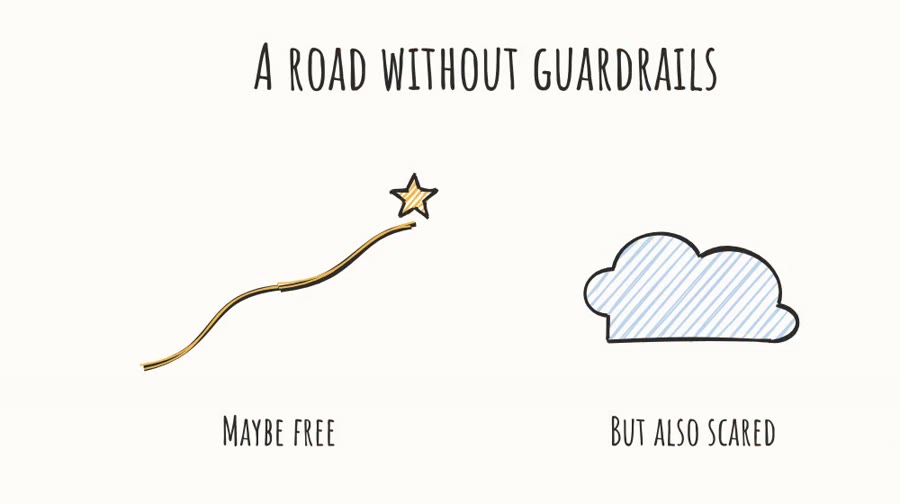
A child without limits feels like someone driving on a road without guardrails. Free, maybe, but also scared. The children who do best grow up with parents who are both warm and firm. You don't need many rules: a few clear rules, a calm, short "no", and consistency over time are enough. And all of it rests on a warm relationship.
I love you. And the answer is no.
Every lesson ends with one tool you can try that same evening, and a short task for the week.

A clinical social worker and college lecturer in child development. For more than fifteen years he has led a center for attention, concentration and behavior difficulties in children, with parents coming from Israel and abroad. In this course he brings what he teaches parents in his clinic, in short lessons you can watch in the evening, after the kids are asleep.
The payment link will be connected soon.
Full refund within 14 days, no questions asked. Details
Payment is made on the payment provider's secure page. A receipt is sent to your email automatically.
Each lesson is focused, with no filler, so you can watch it even on a busy evening. The real work happens at home: every lesson ends with one tool, a task for the week and a downloadable summary sheet, so the course is really a six-week plan.
Right after payment you go to a page with all six lessons. Watch on your phone or computer, as many times as you like.
For parents of children aged 2 to 12. The principles are the same, and the lessons include examples for different ages. A good rule fits the child's age, so it's worth updating the list once a year.
It's called an extinction burst, and I explain it in the fifth lesson. When something that used to work stops working, the child tries harder. It's a sign the change is working, and with a few more days of consistency the behavior fades.
Send me an email: [email protected]